
Bowen Lodge Lake Winnibigoshish and Cutfoot Sioux fishing report
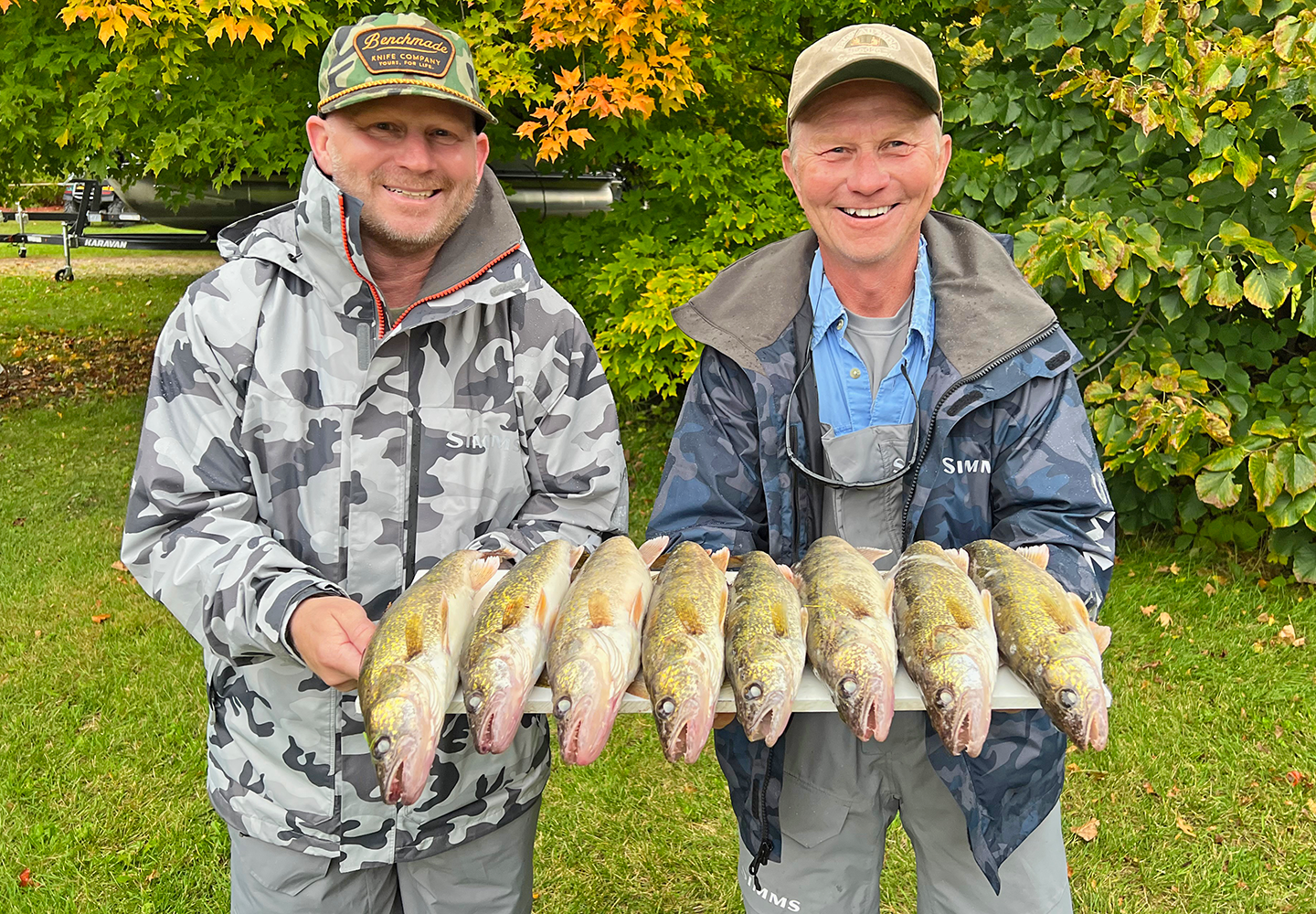
Summer-like conditions persist in the Deer River area. This week, warm daytime temperatures combined with overnight lows staying above 50 degrees, have stalled out any cooling of the water. Surface temperatures on both Lake Winnie and Cutfoot Sioux were a uniform 61-62 degrees as of Monday (September 28).
One would think that with water temperatures in this cool range, that fall migrations would be going at full speed and, in some ways, fish migrations do appear to be ramping up. But in other ways, fish are stubbornly clinging to both summertime habitats and warm water feeding patterns.
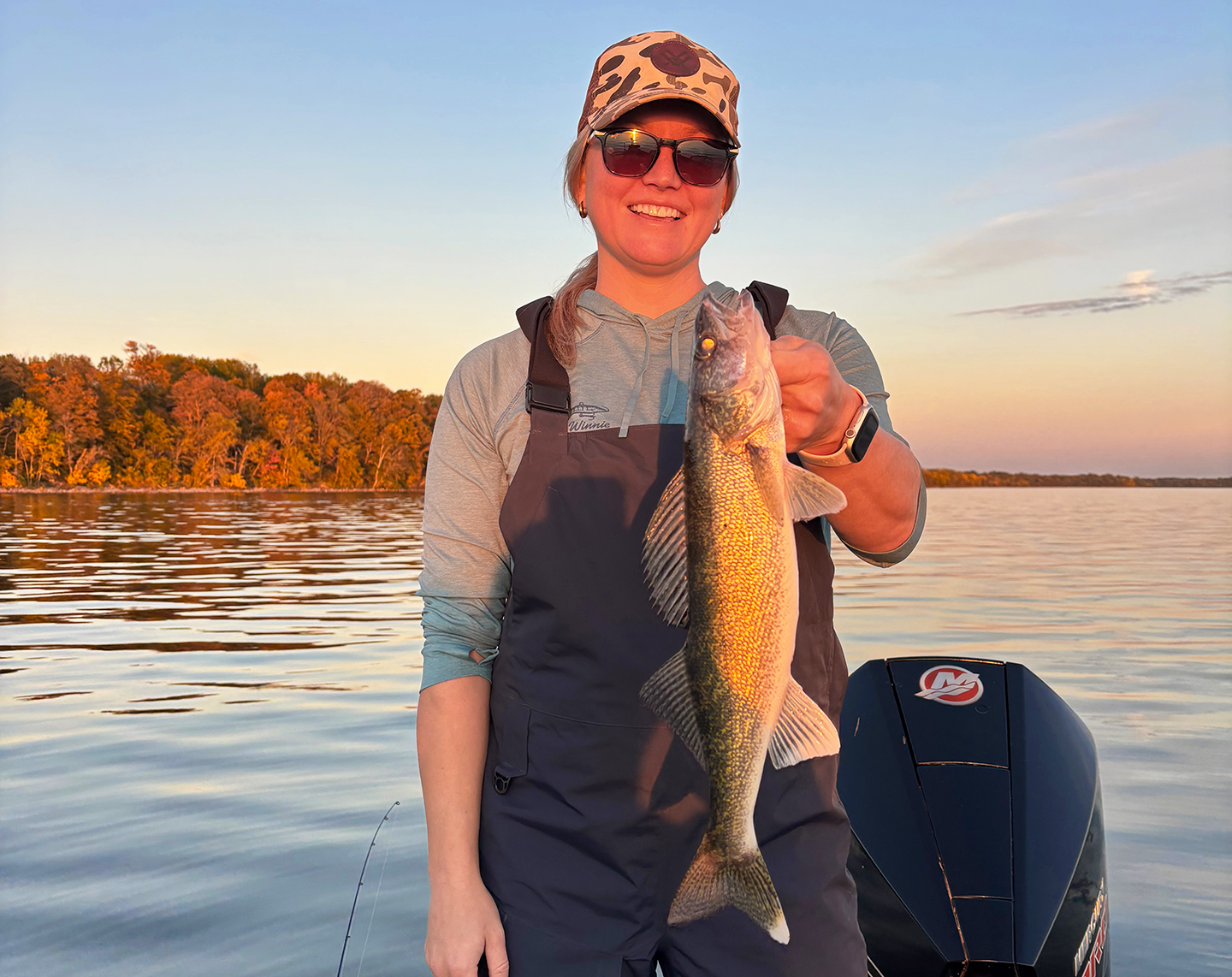
This is why using the term “spotty” may be the ultimate description of angler ‘s walleye success on both lakes right now. Virtually everybody has experienced at least one good day of fishing this past week. On the flipside, most of those same anglers have also suffered at least one or more days of hard fishing as well.
One of the factors that stalls fall progressions is healthy vegetation. Because we haven’t yet received a “hard frost” submerged vegetation remains green and inviting. So, despite the cooler water temperatures, green plant life continues to hold both bait and small gamefish. Provided the vegetation continues to attract and hold the small fish, predators like walleye, pike and perch have little incentive to move away from the patches of green cover and relocate along shoreline breaklines where they are easier to locate.
Another factor affecting the velocity of walleye catch rates for anglers is the balance of predator vs prey populations. Small perch, shiner minnows and other small fish populations are high, there are food sources everywhere. At the same time, the robust walleye class of 2019 has been heavily pressured over the past few years. With populations of those fish reduced, remaining fish have far less competition for food. The result is walleyes that go on short, intense feeding runs whenever conditions are ideal. Anglers who locate them during these feeding runs enjoy good success while anglers who don’t locate the right fish at the right time often struggle.
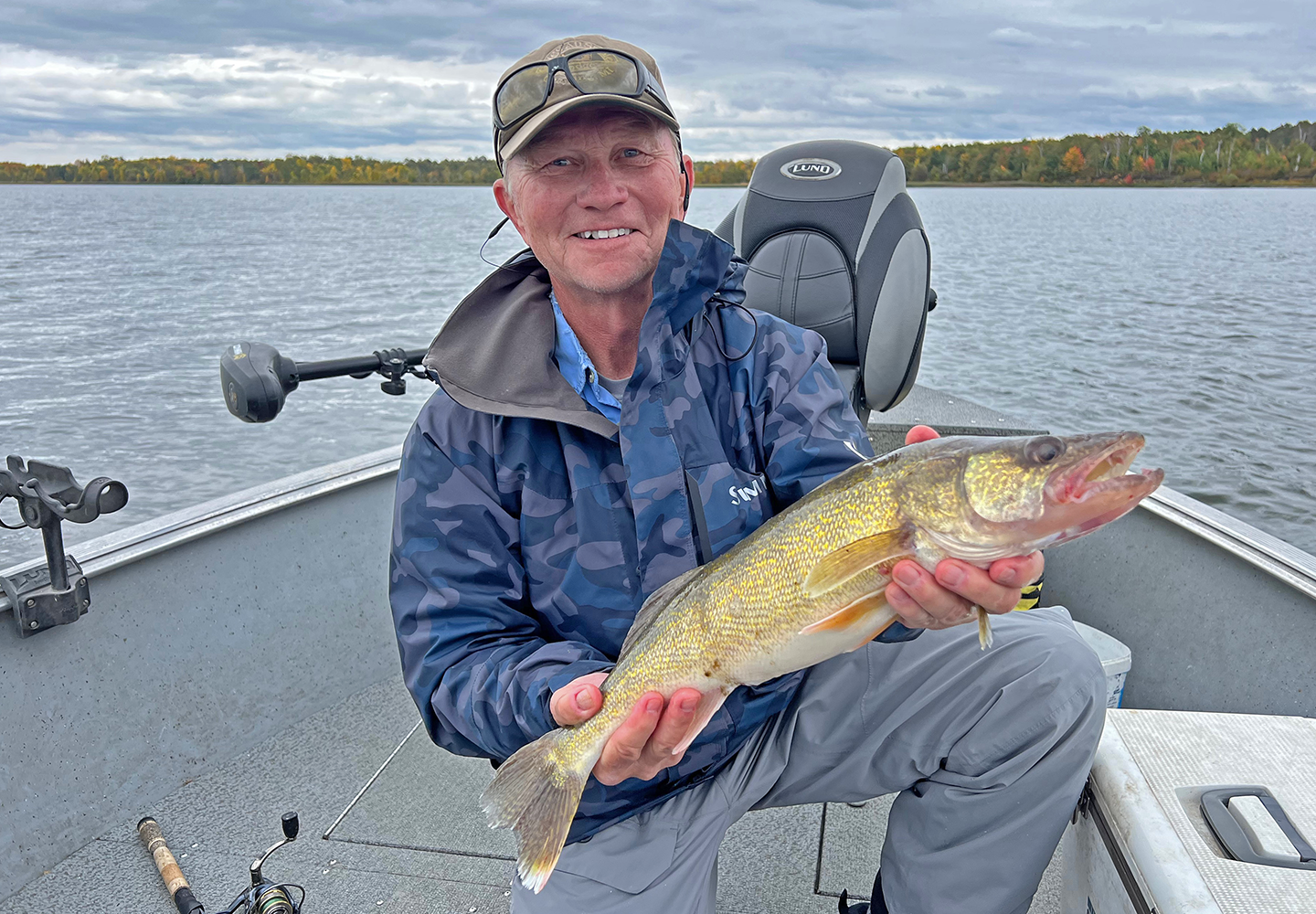
Anglers who do “find the fish” report catching high quality, fat fish. They look like little footballs, fat in the middle with slim tapered heads and tails. Even shorter, 14- to 15-inch-long fish appear to be much larger than usual. The range of fish sizes being harvested indicates that there are several year classes present. Fish in the 16.5-to-17-inch size range appear to be the most abundant “keepers” available. Some fish in the 14-to-15-inch size range are coming too, and anglers report catching several larger, 20-to-22-inch size fish as well.
Key habitats for locating and catching walleyes include shoreline breaks with present vegetation. Two key depth ranges are the 9-to-12-foot breakline and the shallow water breaklines in depths of 5 to 6 feet deep. Another key location, rock and gravel rises, can be found on the lakes sprawling sand flats. When fishing rocks, water depth is not a factor, whether rocks are shallow or deeper, odds are they will be holding some fish.
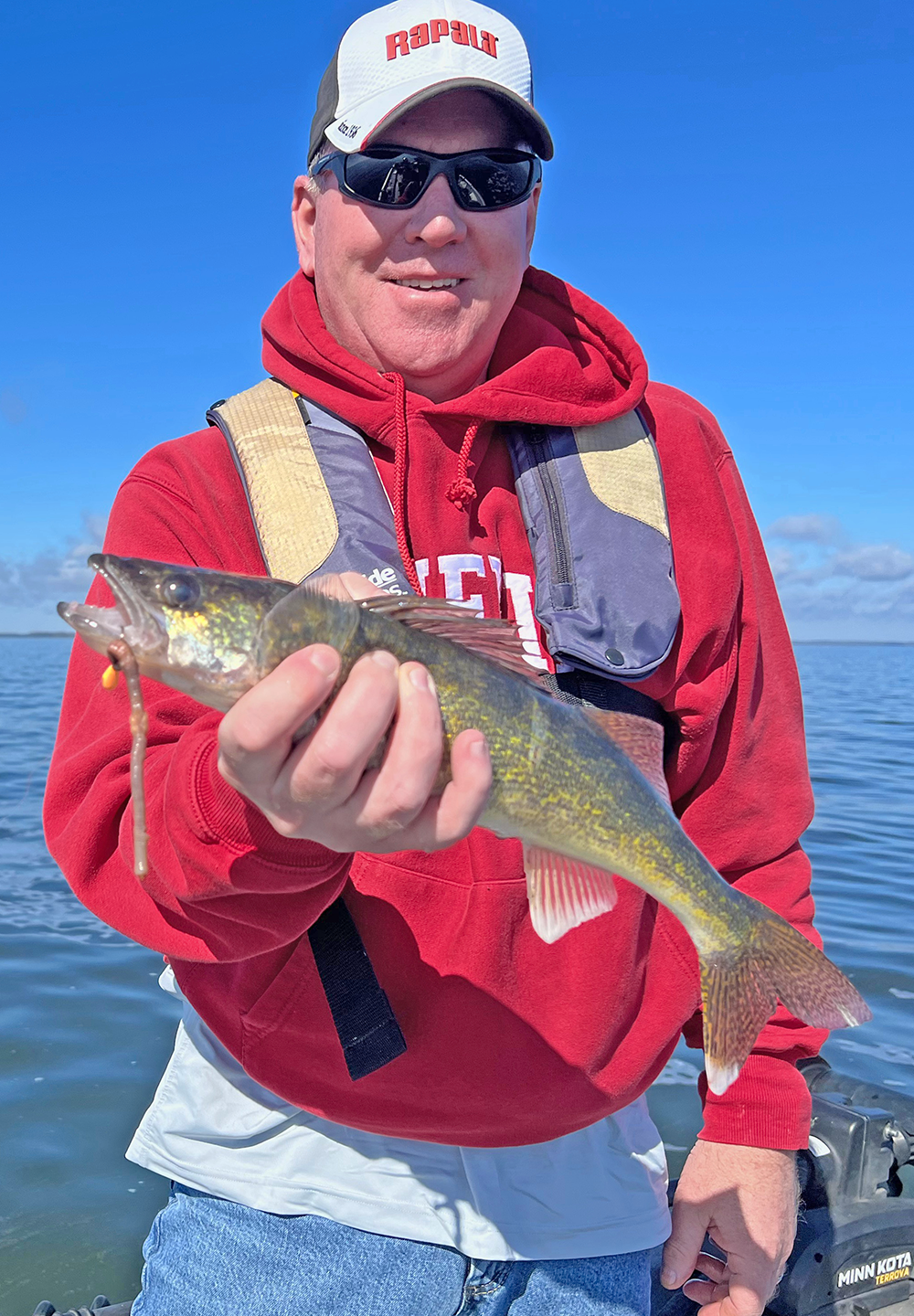
Presentations for walleye vary, but some of the most productive methods have included wiggle worming with jigs and night crawlers, soft plastics, slip-floats with live bait and jigs with minnows. The “jig bite” a mainstay presentation during fall is becoming more productive every day. On Monday, one group reported catching about 50% of their walleyes using jigs and golden shiner minnows. The other 50% were caught using night crawlers.
Northern pike, also well fed, and fat are out on the prowl along shoreline breaks. Some fish are being caught on jigs and minnows, but trolling with shallow running crankbaits has been productive too. Try fishing over the tops of low-lying vegetation on the flats. Key water depths are 8 to 10 feet of water, or along the steeper breaklines in water depths of 12 to 20 feet deep.
Panfish have been keeping our guests busy this week. Sunfish have been plentiful, and the range of sizes includes some nice size fish. Locating sunfish using small spinners tipped with ½ nightcrawlers is productive. Once located, stop your boat and fish vertically using small jigs tipped with cut pieces of night crawler, or if you can get them, small leeches.
Crappie fishing action in the Cutfoot Sioux chain of lakes has been “okay”. Most folks are catching crappies using spinners tipped with minnows. But consider using small, 1/16-to-1/8-ounce jigs tipped with plastic action tails. Paddle tails, like the Ripple Shad can be cast into pockets in vegetation where harvesting a mixed bag is likely. Over open water, plastic lures can be trolled slowly using a swim-drop-swim-drop presentation.