
After several seasons of relatively easy walleye fishing, anglers are working harder, and smarter to capture “The Gold” on Lake Winnie this year. Declines in the population of fish from strong 2018- and 2019-year classes account for part of the struggle. This year though, unfavorable environmental conditions have accounted for more than the fish populations have.
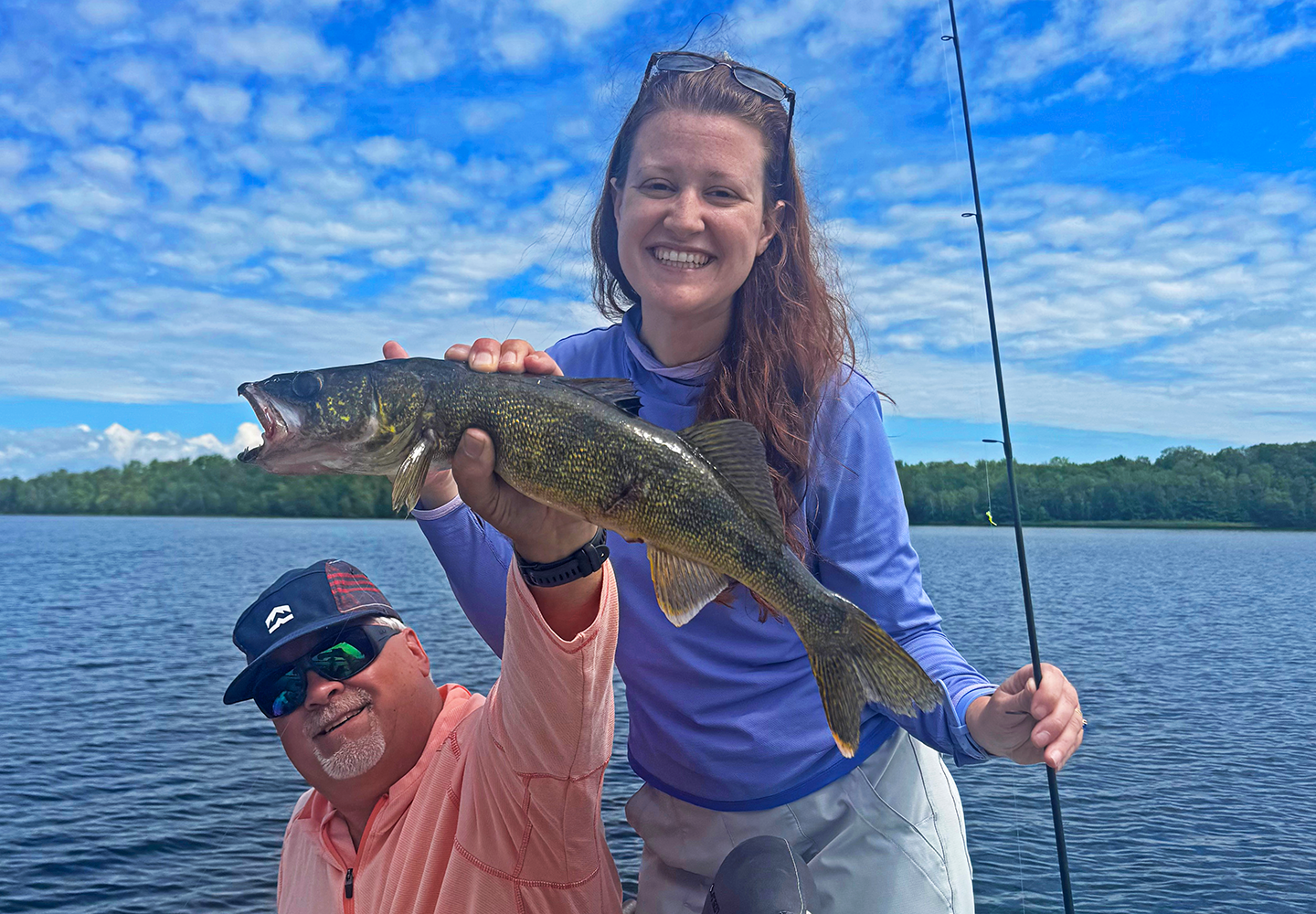
Jake Premo, one of the better guides on Winnie said yesterday, “Right now, practically every piece of structure on that lake has at least some walleyes on it. It’s crazy, even when I stay 40 to 60 feet away from the fish, I can scan them and get about 1 out of 15 fish bite using jigging raps or using slip floats and live bait.” Premo went on to say that there are fish in shallow water too, they are visible, but like their deep-water cousins, are very difficult to catch.
Turning to advanced electronics to help solve the problem worked like a charm for several seasons. There’s no doubt that the proper use of forward-facing sonar will allow you to see fish before your boat passes over them and that is a big advantage. Still, seeing fish on your screen doesn’t mean that you can trigger them to strike. Anglers suggest that fish are conditioned to detect the “ping” of the powerful sonar beam which contributes to their “boat shyness.”
The most devoted walleye anglers use the cover of darkness to make catching finicky walleyes easier. Night anglers do report better success, and so do those who fish early in the morning or later in the evening. Fishing the crepuscular periods is important tip for folks searching for keeper size fish. Larger schools of smaller, more active fish seem to move during these early and late, low-light periods.
Feeding walleyes move along the mid-depth flats in water depths of 8 to 14 feet of water. Precise depths vary with locations on the lake, but any structures that connect shallow shoreline or mid-lake flats to the breakline into deeper, mid-lake basin areas are potential candidates. Covering water is one key to consistent success, so aggressive presentations are better here than slow moving, finesse style presentations.
Trolling with crankbaits gets a lot of attention from night and low-light fishing enthusiasts. But an exciting alternative is casting paddle baits, jigging raps and bucktail hair jigs. Position your boat along the edges where water depths transition from shallow to deep, and vice versa. Fan cast the area and retrieve your lures using an aggressive swim-drop-sweep-drop style retrieve. Experiment with jigging cadences, and fine tune your presentation for each lure.
This year, water clarity remains high, Secchi disk readings of 20 feet plus are common. The water clarity contributes to sluggish walleye action. So, for folks who insist on fishing during the daytime hours, finding vegetation, or areas of darker water will help. Warm weather and sunny conditions should encourage the development of algae blooms and that will help. It’s not at all uncommon for walleyes to go on intense feeding runs during the late summer, warm water period.
Perch, another fish species that undergo warm water feeding runs have already been showing up in shallow patches of eelgrass, and other submerged vegetation. Some anglers are finding them in water depths of 4 to 6 feet, others are reporting perch caught in deeper water, wherever mixed gravel and rock are present.
Jigs and minnows are most popular for catching perch. Trolling with spinners tipped with minnows or ½ night crawlers are an effective method of searching for them. Once located, stopping the boat, anchoring and fishing slowly, using vertical presentations will likely put the most fish in your boat.
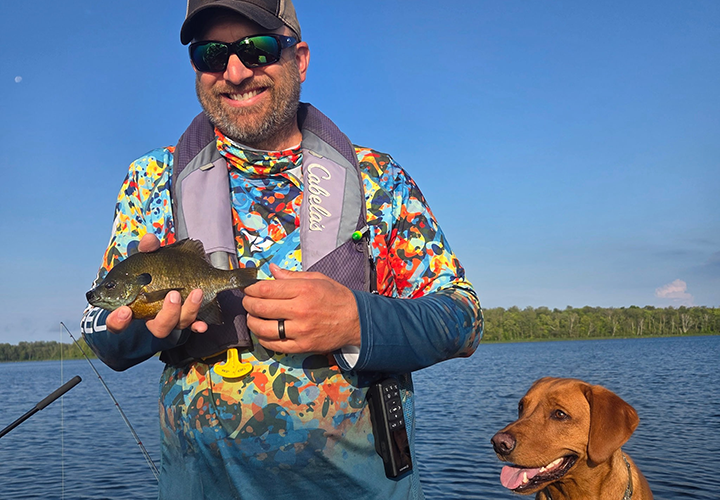
Sunfish, rock bass and largemouth bass love the warm water and are very active. Folks looking for action should look to these species to keep the kids (of all ages) busy. Again, trolling over the tops of submerged vegetation is a great way to locate schools of fish. For sunfish, tipping your spinner with ½ night crawlers is going to get the most action. At times though, small perch will attack relentlessly and can become a nuisance. In situations like that, swap your worms for small to medium size leeches; they will help cut down on perch attacks and increase your productivity.
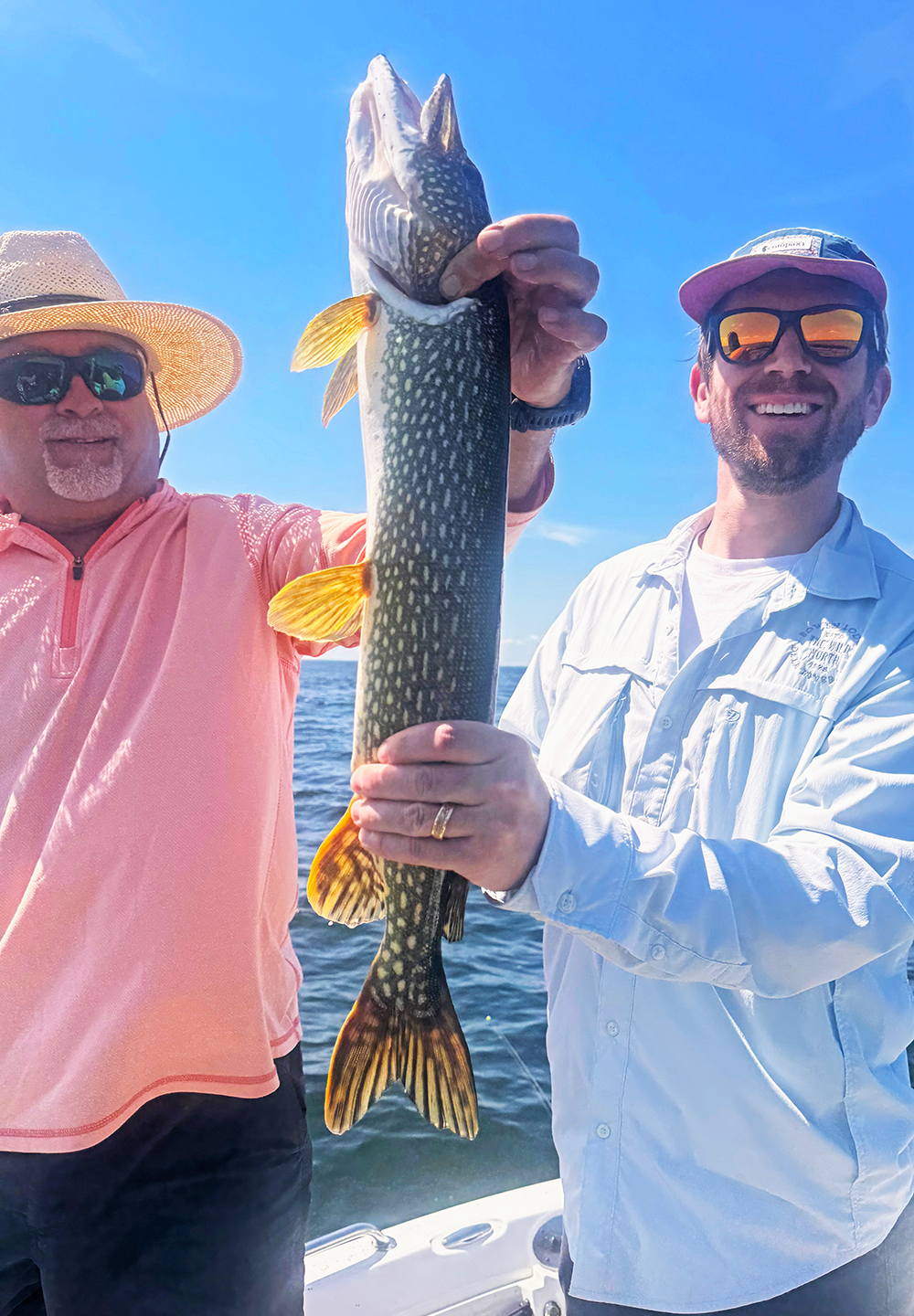
Northern pike get a little harder to catch when the water is warm. For the best action, search for them along deeper breaklines with fast breaking drop-offs into deep water. The presence of gravel or rock adds to the attractiveness of a spot. Deep growing vegetation like cabbage, coontail and others will gather baitfish which in turn, attracts northern pike too.
There are a lot of ways to catch pike, but probably the best presentations are jigging with heavy weight jigs and larger size paddle tails or live bait rigs tipped with large, lively minnows. Follow the steep breaklines in water depths of 14 to 24 feet of water. When casting jigs, use an aggressive drop-snap-drop-snap retrieve. When using live minnows, move slowly along the edges, and let the minnows do all the work.
The best minnows are lively creek chubs in the 7-to-12-inch size range. Alternatives are large golden shiners, or sucker minnows. Use 2-hook, quick strike style rigs to help avoid deep hooking the pike.
Remember, you’re always welcome to pay us a visit. We have a great boat ramp, live bait, boat fuel and tackle. And for folks in the market for quality cutlery, Bowen Lodge is a Benchmade dealer. The water series fillet knives, along with dozens of other Benchmade products, are available here, in our lodge. Whether e see you or not, we wish you good luck on the lake!