
Walleye fishing on Lake Winnibigoshish has been a tale of heroes and zeros. Some days, yesterday’s zeros are today’s heroes, and other days, yesterday’s heroes are today’s zeros. Land at the right school of fish, at the right time, and you’ll score a great catch. Miss out on the timing, and it could be a struggle.
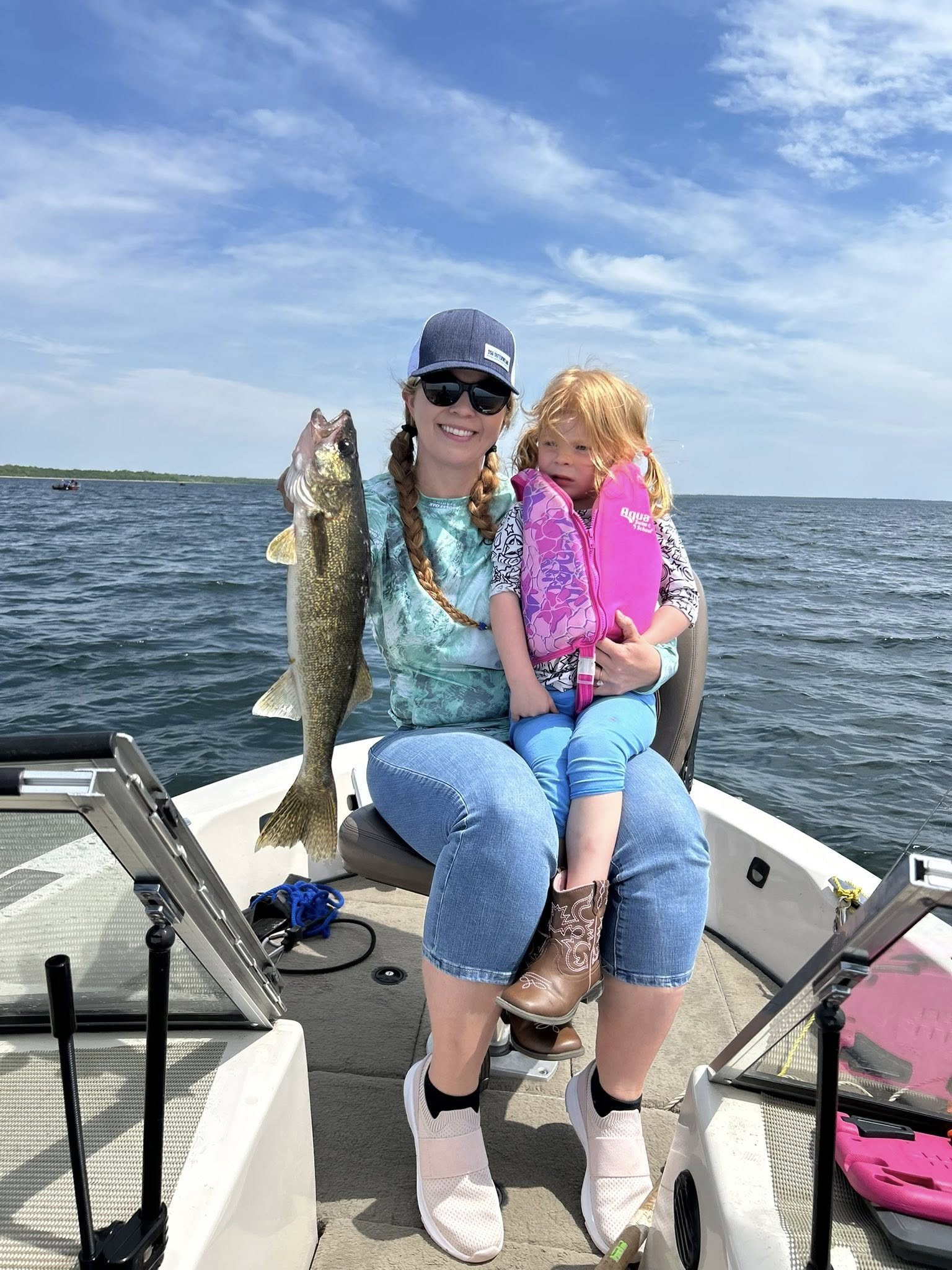
There are a handful of areas that have, and continue to hold good schools of fish, that’s the good news. The trouble is that those areas are widely known, and the fish in these regions have been heavily pursued. With all that pressure, the term “boat shy”, pops up frequently when anglers talk about their fishing trips. Many boaters report finding and spotting fish on their electronics but then go on to say that they struggle to make those fish bite.
An important lesson to remember is that despite being heavily pursued, those “boat shy” fish must still feed at some point on most days. So, the trick to success is to be the first, or among the first wave of anglers to discover any “fresh” school of fish. Starting early in the morning is one way to do that, constantly moving and searching for pods of fish is another way. Find some fish, target them for a few minutes, catch the ones that will respond to your presentations and then move on.
The areas most likely to hold fish are semi-soft sand/marl flats with bottoms covered in vegetation. Back bays and flowages are the key locations, and key depths range from about 10 feet, down to about 14 feet of water. Shiners, small perch and other “baitfish” have moved onto these flats and hold in the green cover. The better the growth, the more holding power it has, but any grass is good grass, even sparse, low-lying grasses will hold bait and that in turn, attracts feeding fish. Taller plants like cabbage provide even more cover, enough to hold gamefish too, and these areas become premium locations.
Locating fish is the basis for success, but presentations are equally important and the best methods for catching them varies day-to-day. The most reliable approach this week has been using slip-floats. Some days small jigs tipped with ½ night crawlers have worked well. The same, 1/32 ounce to 1/16-ounce jigs tipped with lively leeches is another reliable presentation. Jigs and minnows, or jigs tipped with plastics have been less effective, but shouldn’t be overlooked, especially when searching for fish.
Truthfully, the anglers who are doing best are the “sharpshooters”, anglers who use live sonar to locate fish. Scoping pods of fish far away from the boat, then stopping and casting to them helps cutdown on “boat shyness”. Still, anglers without advanced electronics can still catch fish provided you use presentations that allow you to reach out to the fish before your boat approaches them.
Creeping along at slow speeds and casting lightweight jigs is still an effective search method. Retrieve the lures using a light hop-drop-drop-hop-drop retrieve until contact with fish is accomplished. Then stop the boat, anchor or spot-lock and switch over to one of the slip-bobber presentations. Other search baits, like in-line spinners tipped with trailing night crawlers, can be effective too. Experiment with suspending style crankbaits as well, make long casts, allow the baits to fall for several seconds and then retrieve using a twitch-stop-swim, twitch-stop-swim style retrieve. No matter which presentation you use, keep your lures out and away from the boat, concentrating on finding fish before they detect your presence.
Last week’s warming trend encouraged panfish and bass to move into shallow water spawning areas. Surface water temperatures reached into the mid-60s and have remained there for over a week. Lilacs were in full bloom and the full moon occurred last Sunday. That perfect combination of temperature, timing and moon phase attracted crappies first and fast. Crappies, for the most part, have already completed their spawning ritual. We anticipate that crappies will now be found in cabbage, coontail, or other submerged vegetations.
Bass and sunfish can still be found in the shallows. We advise against removing larger “bull bluegills” from spawning beds. Focus instead on roaming female sunfish, capturing them is far less detrimental to maintain quality bluegill fishing going forward.
As we reported last week, perch populations are roaming the flats, along with walleyes. Not much has changed, most harvested perch are caught by walleye anglers. Few of our customers are intentionally targeting perch. The ones we are report finding them in cabbage, coontail or other mixed vegetation. If you’re searching for them, try areas like these first.
Last week we wrote; “Northern pike continue to be found in good numbers along steep, shoreline-related bars. Focus on water depths of 10 to 18 feet, troll or drift the edges using 1/8 to ¼ ounce jigs tipped with larger minnows, 4-to-5-inch golden shiners are ideal, but most any minnow variety, if it’s on the larger side, will work. Use an aggressive snap jigging presentation to trigger strikes.”
That advice still holds true, but this week, add another presentation to your list. Spinnerbaits, large and flashy 3/8 to ½ ounce sizes cast into healthy patches of cabbage will produce pike. Key colors for spinnerbaits are white, chartreuse, yellow, and black/orange combinations. Larger twin willow leaf blades, or single Colorado blade models are both good. Tipping the hook with 3-to-4-inch twirl tail plastics can add to the attracting power too.
As the weather continues to warm, insect hatches “should” begin occurring around the lake. When this happens. Gamefish locations are likely to change. We’ll be keeping tabs on any news about bug hatches, and report to you as the information becomes available.
Travel safely this weekend and remember, you’re always welcome to pay us a visit. We have a great boat ramp, live bait, boat fuel and tackle. And for folks in the market for quality cutlery, Bowen Lodge is a Benchmade dealer. The water series fillet knives, along with dozens of other Benchmade products, are available here, in our lodge.